Why Nutrition Planning Matters for Active Women
As an active woman balancing multiple responsibilities, your body requires consistent, quality nutrition to perform at its best. Whether you're hitting the gym before work, chasing after kids, or powering through long workdays, proper nutrition planning isn't just about eating healthy—it's about strategic fueling that supports your energy levels, muscle recovery, and overall wellness.
The challenge many women face isn't knowing what to eat, but rather finding the time and mental energy to plan, shop, and prepare nutritious meals consistently. This is where smart nutrition planning becomes your secret weapon. By implementing efficient systems and strategies, you can ensure your body gets the nutrients it needs without adding stress to your already full schedule.
Key Insight: Women who meal plan are 50% more likely to maintain consistent healthy eating habits and report feeling more in control of their nutrition goals, even during busy weeks.
Proper nutrition planning also helps you avoid the common pitfalls of busy lifestyles: skipping meals, relying on convenience foods, or making impulsive food choices when you're already exhausted. When you have a plan in place, you're setting yourself up for success regardless of what your week throws at you.
Understanding Your Nutritional Needs as an Active Woman
Balancing Macronutrients for Optimal Performance
Active women have unique nutritional requirements that differ from sedentary individuals and even from active men. Your body needs adequate protein for muscle recovery and maintenance, complex carbohydrates for sustained energy, and healthy fats for hormone production and nutrient absorption.
A balanced approach typically includes:
- Protein: 1.2-1.6 grams per kilogram of body weight daily, distributed throughout the day to support muscle recovery and satiety
- Carbohydrates: 45-55% of total calories, focusing on whole grains, fruits, and vegetables to fuel workouts and daily activities
- Healthy Fats: 25-35% of total calories from sources like avocados, nuts, seeds, and olive oil to support hormone health
- Fiber: 25-30 grams daily from whole foods to support digestive health and sustained energy
Timing Your Nutrition Around Workouts
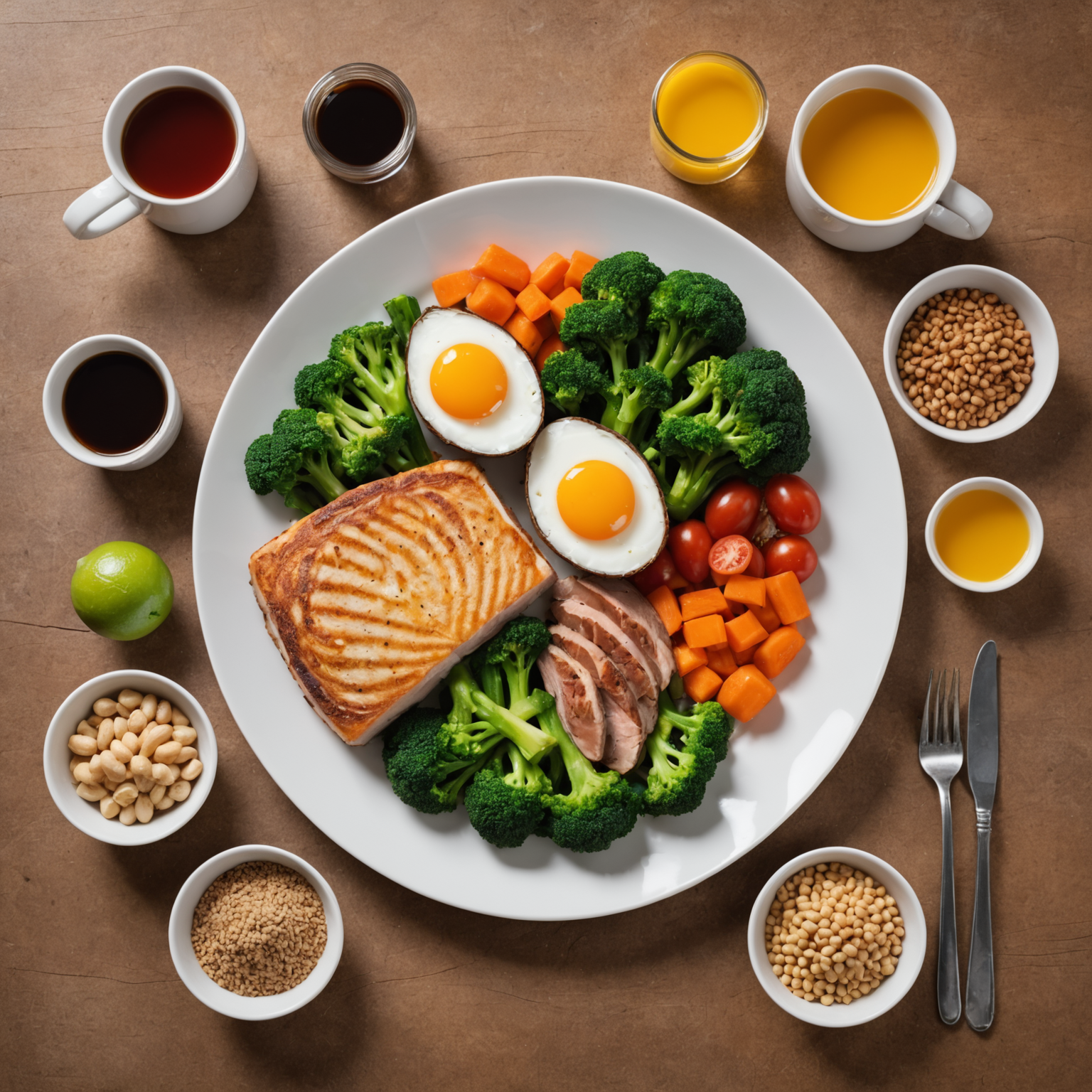
When you eat can be just as important as what you eat, especially when you're maintaining an active lifestyle. Pre-workout nutrition should focus on easily digestible carbohydrates and moderate protein to fuel your session without causing digestive discomfort. Post-workout meals should prioritize protein and carbohydrates to support muscle recovery and replenish energy stores.
Pro Tip
Aim to eat a balanced meal containing protein and carbohydrates within 2 hours after your workout. This window is crucial for optimal muscle recovery and glycogen replenishment.
Time-Saving Meal Prep Strategies
The Power of Batch Cooking
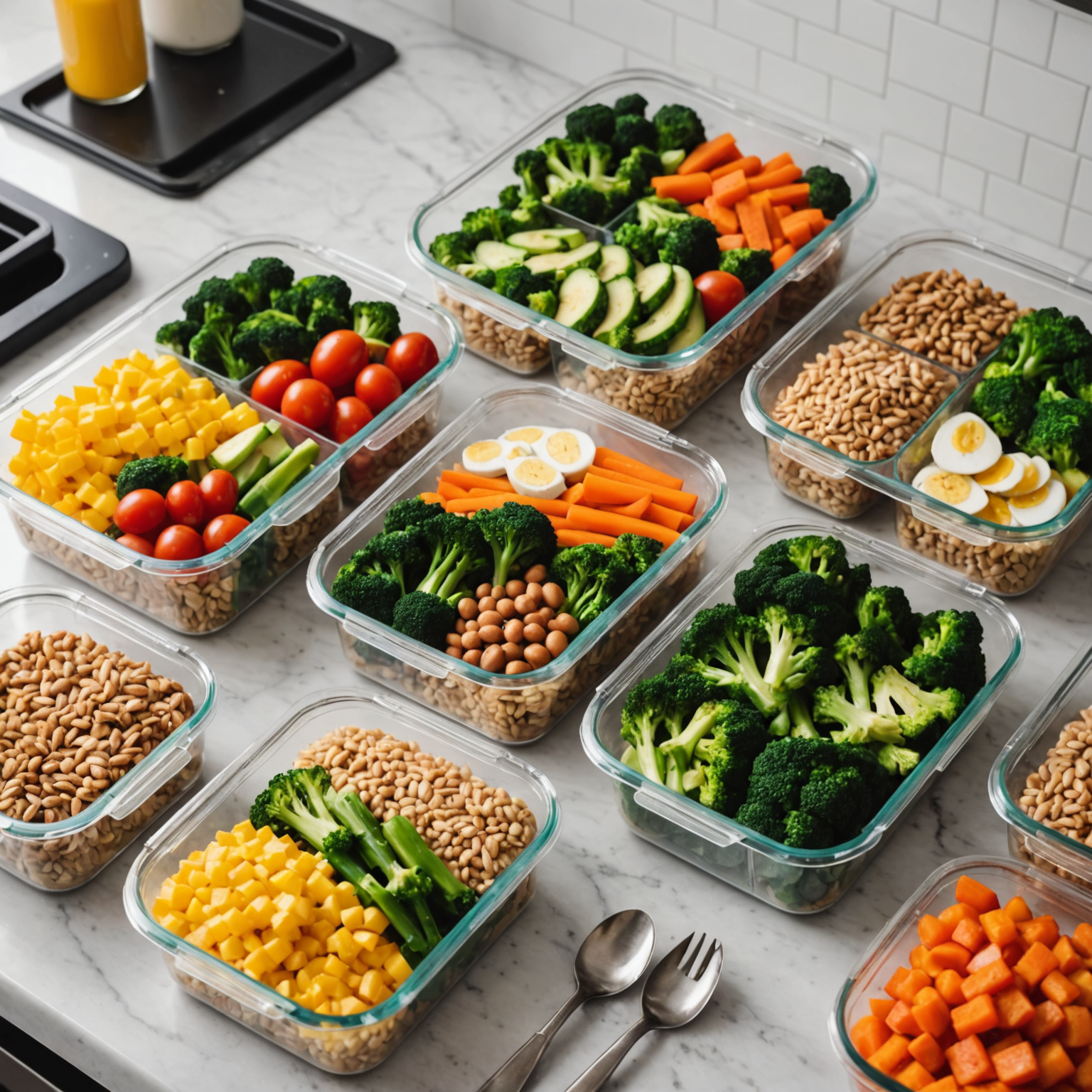
Batch cooking is the cornerstone of efficient meal planning for busy women. By dedicating 2-3 hours on a weekend or your day off, you can prepare the foundation of multiple meals that will serve you throughout the week. This approach dramatically reduces daily cooking time and decision fatigue.
Start by identifying "anchor proteins" that can be prepared in bulk and used in various ways throughout the week. Grilled chicken breast, baked salmon, hard-boiled eggs, and seasoned ground turkey are versatile options that work in salads, grain bowls, wraps, and more.
The Container Method
Invest in quality glass or BPA-free plastic containers in various sizes. Portion out complete meals or meal components into individual containers immediately after cooking. This makes grabbing healthy options as convenient as reaching for takeout, even on your busiest days.
Strategic Ingredient Prep
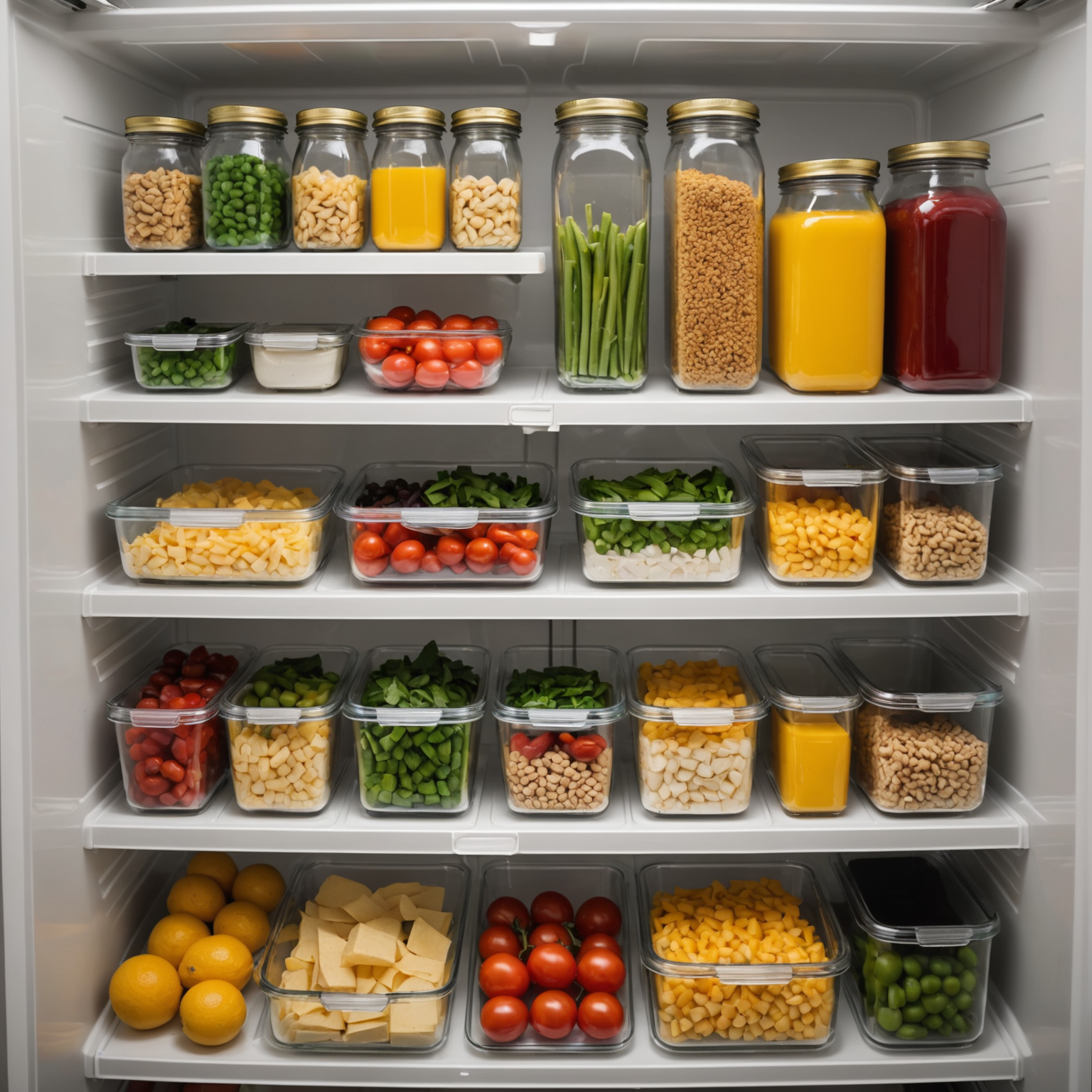
Rather than preparing complete meals, you can also prep individual ingredients that can be mixed and matched throughout the week. This approach offers more variety while still saving significant time:
- Wash and chop vegetables for the entire week, storing them in airtight containers
- Cook a large batch of whole grains like quinoa, brown rice, or farro
- Prepare several protein options with different seasonings
- Make homemade dressings and sauces in bulk
- Pre-portion snacks like nuts, fruits, and vegetables into grab-and-go containers
Time-Saving Hack
Use your slow cooker or Instant Pot to prepare proteins while you're doing other meal prep tasks. Set it in the morning before work, and you'll have perfectly cooked protein ready when you get home.
Sample Weekly Meal Plan for Active Women
This balanced meal plan provides approximately 1,800-2,000 calories per day with optimal macronutrient distribution for active women. Adjust portions based on your individual needs, activity level, and goals.
Monday
Greek yogurt parfait with mixed berries, granola, and almond butter (350 cal, 20g protein)
Grilled chicken quinoa bowl with roasted vegetables, avocado, and tahini dressing (520 cal, 38g protein)
Apple slices with 2 tbsp natural peanut butter (200 cal, 8g protein)
Baked salmon with sweet potato and steamed broccoli (480 cal, 35g protein)
Tuesday
Protein smoothie with banana, spinach, protein powder, and oat milk (320 cal, 25g protein)
Turkey and hummus wrap with mixed greens, cucumber, and tomatoes (450 cal, 32g protein)
Cottage cheese with cherry tomatoes and whole grain crackers (180 cal, 15g protein)
Lean beef stir-fry with brown rice and mixed vegetables (540 cal, 40g protein)
Wednesday
Overnight oats with chia seeds, protein powder, and fresh berries (380 cal, 22g protein)
Mediterranean chickpea salad with feta, olives, and grilled chicken (490 cal, 36g protein)
Hard-boiled eggs with carrot sticks and hummus (160 cal, 14g protein)
Baked cod with quinoa pilaf and roasted Brussels sprouts (460 cal, 38g protein)
Protein-Rich Recipes for Muscle Recovery
Quick Post-Workout Power Bowl
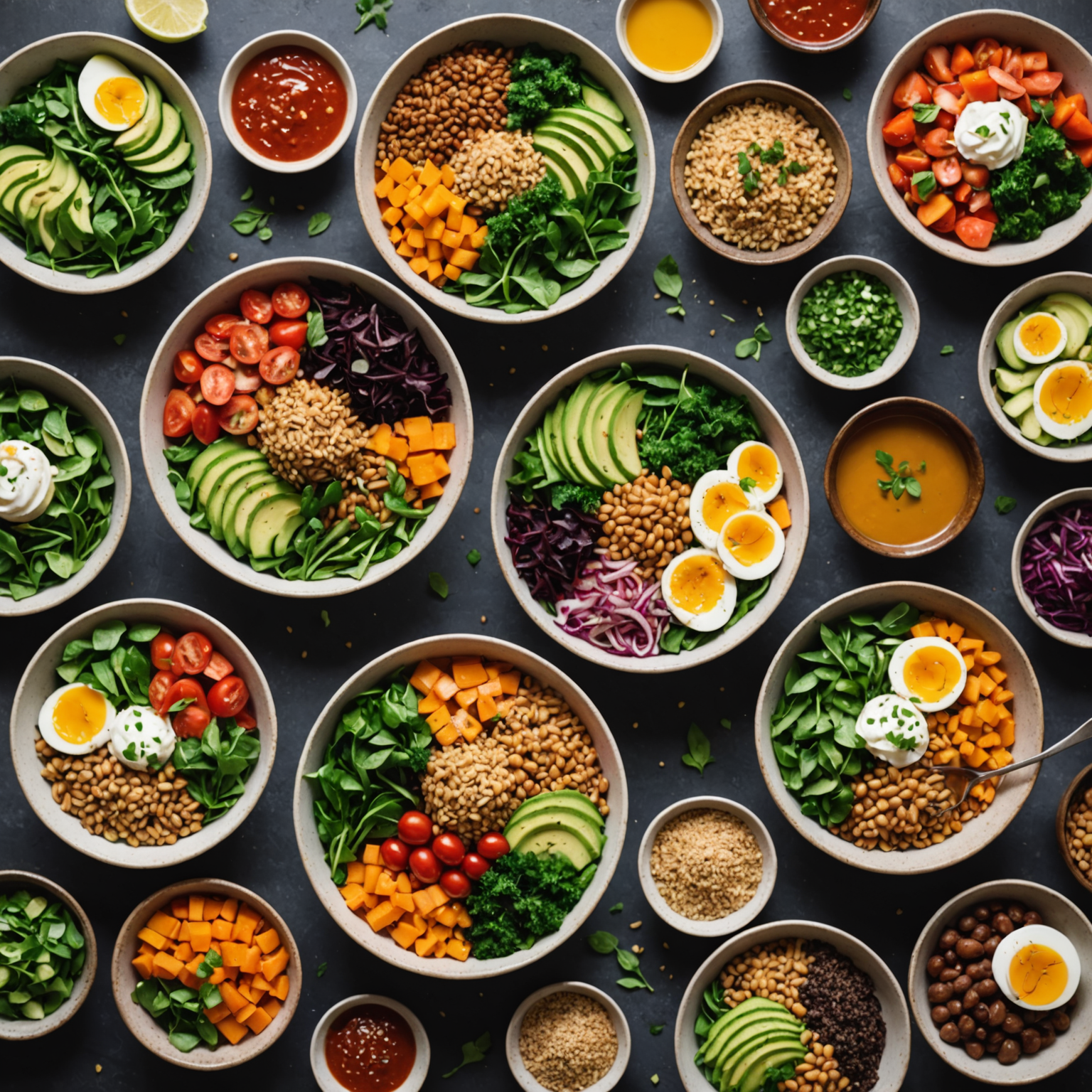
This nutrient-dense bowl can be assembled in under 10 minutes using pre-prepped ingredients and delivers the perfect combination of protein and carbohydrates for muscle recovery.
Ingredients:
- 1 cup cooked quinoa or brown rice
- 4 oz grilled chicken breast or baked tofu
- 1/2 cup roasted sweet potato cubes
- 1 cup mixed greens
- 1/4 avocado, sliced
- 2 tbsp tahini dressing
- Sprinkle of pumpkin seeds
Nutrition: 520 calories, 38g protein, 52g carbs, 18g fat
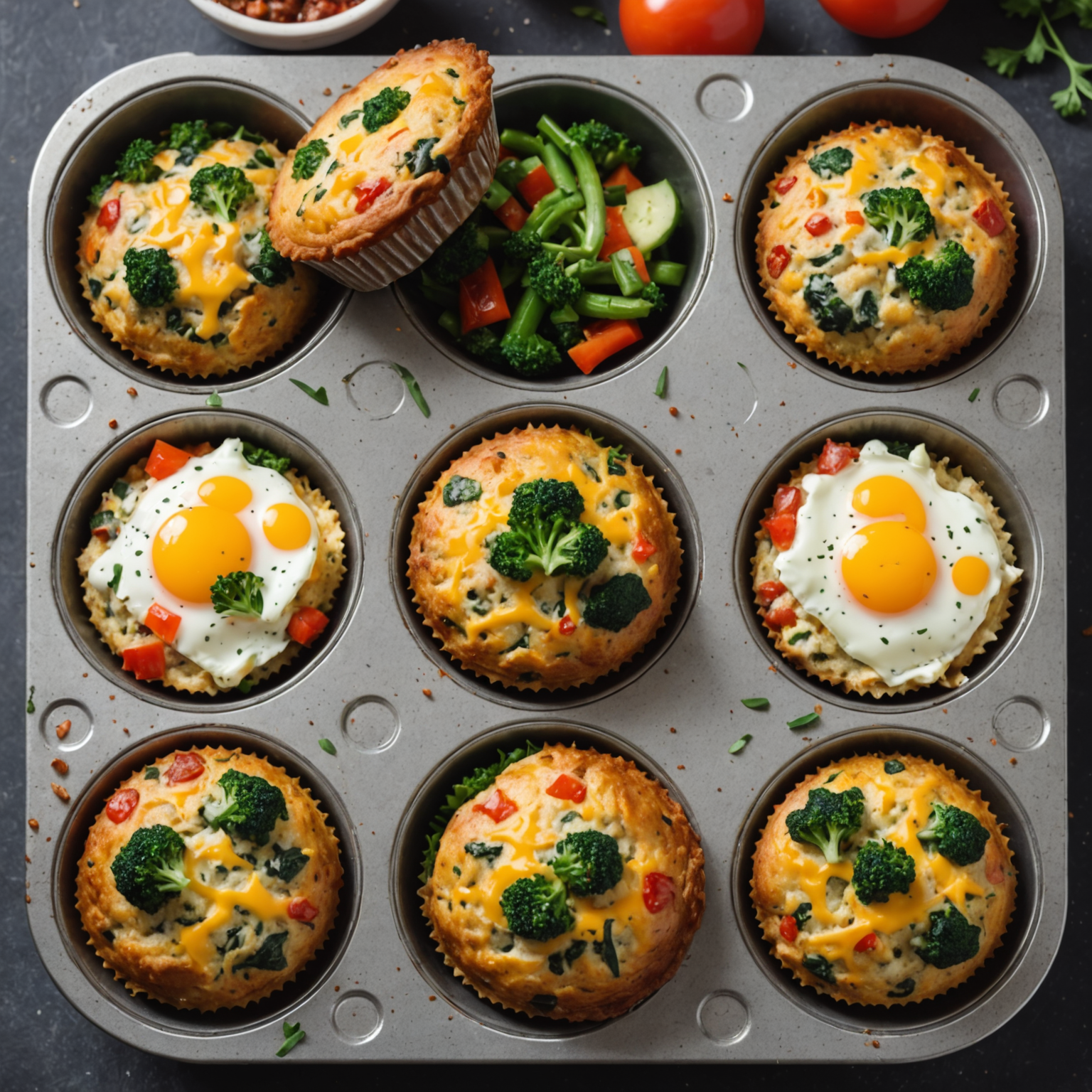
High-Protein Breakfast Muffins
These savory muffins can be made in advance and reheated throughout the week. They're perfect for busy mornings when you need a protein-packed breakfast on the go.
Ingredients (makes 12 muffins):
- 8 large eggs
- 1 cup cottage cheese
- 1 cup diced vegetables (bell peppers, spinach, mushrooms)
- 1/2 cup shredded cheese
- 4 oz cooked turkey sausage, crumbled
- Salt, pepper, and herbs to taste
Instructions: Whisk eggs and cottage cheese together. Fold in vegetables, cheese, and sausage. Pour into greased muffin tins and bake at 350°F for 25-30 minutes.
Nutrition per muffin: 110 calories, 12g protein, 3g carbs, 6g fat
15-Minute Salmon and Veggie Sheet Pan
This one-pan dinner is not only quick but also provides omega-3 fatty acids and high-quality protein essential for recovery and overall health.
Ingredients (serves 2):
- 2 salmon fillets (4-6 oz each)
- 2 cups broccoli florets
- 1 cup cherry tomatoes
- 2 tbsp olive oil
- Lemon juice, garlic, and herbs
Instructions: Arrange salmon and vegetables on a sheet pan. Drizzle with olive oil and seasonings. Bake at 400°F for 12-15 minutes until salmon is cooked through.
Nutrition per serving: 380 calories, 35g protein, 12g carbs, 22g fat
Smart Grocery Shopping Guide
Having the right ingredients on hand makes healthy eating effortless. Use this comprehensive shopping list as your foundation for weekly meal planning.
Proteins
- Chicken breast
- Salmon fillets
- Lean ground turkey
- Eggs
- Greek yogurt
- Cottage cheese
- Tofu or tempeh
- Canned tuna
Complex Carbs
- Quinoa
- Brown rice
- Oats
- Sweet potatoes
- Whole grain bread
- Whole wheat pasta
- Beans and lentils
Vegetables
- Mixed greens
- Broccoli
- Bell peppers
- Spinach
- Tomatoes
- Carrots
- Brussels sprouts
- Cauliflower
Fruits
- Berries (fresh or frozen)
- Bananas
- Apples
- Oranges
- Avocados
Healthy Fats
- Olive oil
- Avocado oil
- Nuts (almonds, walnuts)
- Natural nut butter
- Seeds (chia, flax, pumpkin)
- Tahini
Pantry Staples
- Herbs and spices
- Garlic and onions
- Low-sodium broth
- Canned tomatoes
- Hummus
- Protein powder
Strategies for Maintaining Healthy Eating During Hectic Weeks
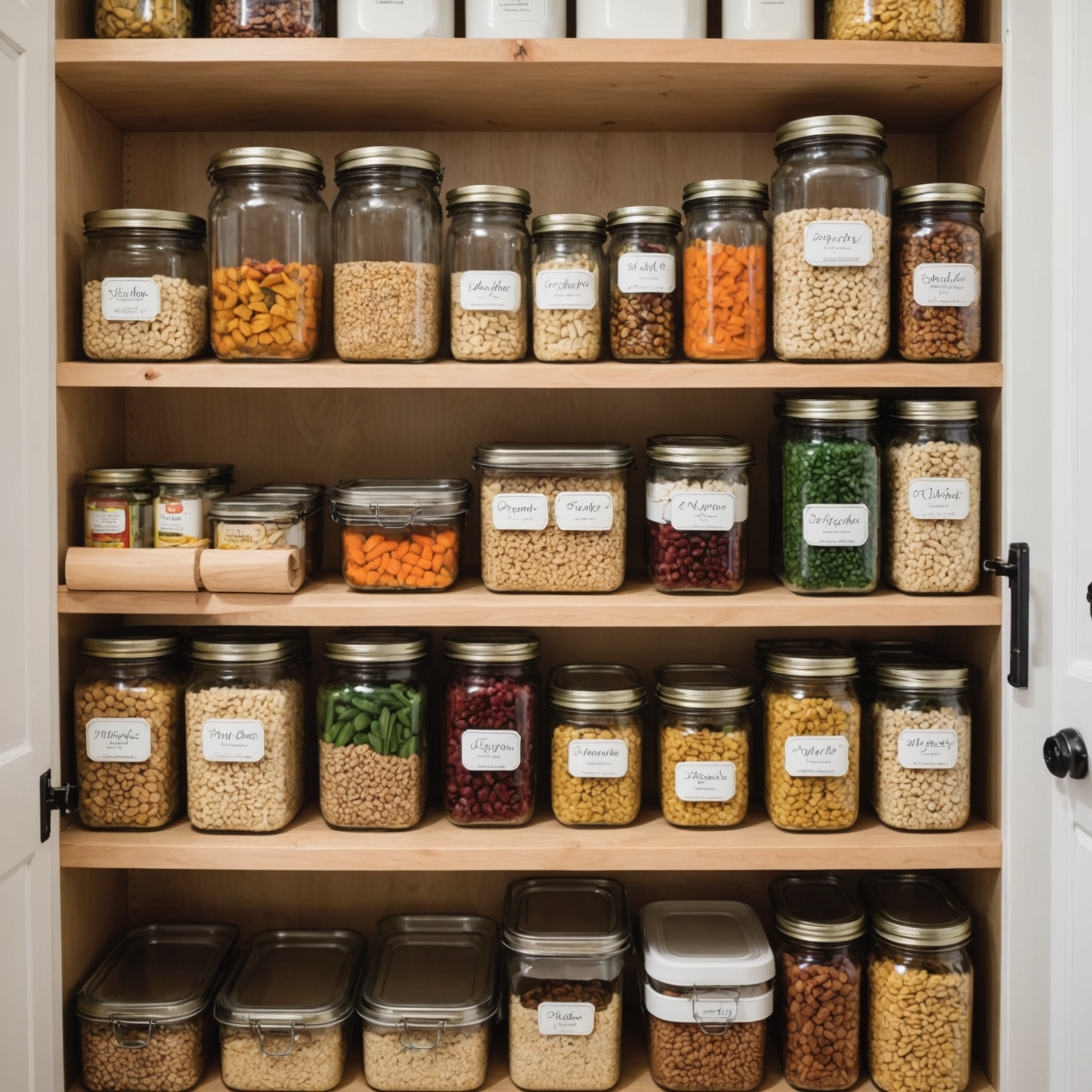
The Emergency Meal Kit
Life happens, and even the best-laid meal plans can go awry. Keep an "emergency meal kit" in your pantry and freezer with ingredients that can be quickly assembled into nutritious meals. This prevents resorting to unhealthy takeout when you're too exhausted to cook.
Your emergency kit should include:
- Frozen pre-cooked proteins (grilled chicken strips, cooked shrimp)
- Frozen vegetables that can be quickly steamed or roasted
- Quick-cooking grains like instant brown rice or quinoa
- Canned beans and lentils
- Jarred pasta sauce (low-sugar varieties)
- Whole grain pasta or rice noodles
- Canned tuna or salmon
The 80/20 Approach
Perfectionism is the enemy of consistency. Adopt an 80/20 mindset where you aim to make nutritious choices 80% of the time, allowing flexibility for the remaining 20%. This approach reduces stress and makes healthy eating sustainable long-term, especially during particularly demanding weeks.
Remember: One less-than-ideal meal doesn't derail your progress. What matters is your overall pattern of eating over time, not individual meals or days.
Simplify Your Choices
Decision fatigue is real, especially when you're juggling multiple responsibilities. Reduce the mental load by creating a rotation of 5-7 go-to meals that you know work for your schedule and taste preferences. This doesn't mean eating the same thing every day, but having reliable options eliminates the stress of constant meal planning.
Strategic Restaurant Ordering
When eating out is necessary, you can still make choices that align with your nutrition goals. Look for menu items that include lean proteins, vegetables, and whole grains. Don't hesitate to ask for modifications like dressing on the side, extra vegetables instead of fries, or grilled instead of fried preparations.
Balancing Macronutrients to Fuel Workouts Effectively
Pre-Workout Nutrition Timing
The timing and composition of your pre-workout meal can significantly impact your performance and how you feel during exercise. Aim to eat a balanced meal 2-3 hours before training, or a smaller snack 30-60 minutes before if you're short on time.
2-3 hours before workout:
- Grilled chicken with sweet potato and vegetables
- Turkey sandwich on whole grain bread with fruit
- Oatmeal with protein powder and berries
30-60 minutes before workout:
- Banana with almond butter
- Greek yogurt with granola
- Rice cake with honey and a small amount of protein
Post-Workout Recovery Nutrition
After training, your body is primed to absorb nutrients for muscle recovery and glycogen replenishment. Prioritize a combination of protein and carbohydrates within 2 hours of finishing your workout, with the ideal ratio being approximately 3:1 or 4:1 carbs to protein.
Recovery Tip
If you can't eat a full meal immediately after training, have a protein shake or smoothie with fruit to start the recovery process, then follow up with a complete meal within 2 hours.
Hydration Strategies
Proper hydration is crucial for performance and recovery, yet it's often overlooked in nutrition planning. Active women should aim for at least 2-3 liters of water daily, with additional intake before, during, and after workouts.
Hydration guidelines for active women:
- Drink 16-20 oz of water 2-3 hours before exercise
- Consume 8-10 oz every 15-20 minutes during workouts lasting longer than 30 minutes
- Rehydrate with 16-24 oz for every pound lost during exercise
- Monitor urine color—pale yellow indicates proper hydration
Making It Work: Your Action Plan
Implementing these nutrition strategies doesn't have to be overwhelming. Start with small, manageable changes and build from there. Here's a practical action plan to get you started:
Week 1: Foundation Building
- Choose 3 simple recipes you want to try
- Create your first grocery shopping list using the guide above
- Dedicate 2 hours to your first meal prep session
- Invest in quality storage containers
Week 2: Establishing Routine
- Prep proteins and grains in bulk
- Pre-portion snacks for the week
- Track your meals to understand your current eating patterns
- Identify your biggest nutrition challenges
Week 3: Optimization
- Refine your meal prep process based on what worked
- Experiment with new recipes and flavors
- Adjust portions based on your energy levels and goals
- Create your emergency meal kit
Week 4: Sustainability
- Establish your rotation of go-to meals
- Fine-tune your grocery shopping routine
- Assess what's working and what needs adjustment
- Celebrate your progress and consistency
Final Thought: Nutrition planning is a skill that improves with practice. Be patient with yourself as you develop these habits, and remember that progress, not perfection, is the goal. Every healthy choice you make is an investment in your energy, performance, and overall well-being.
