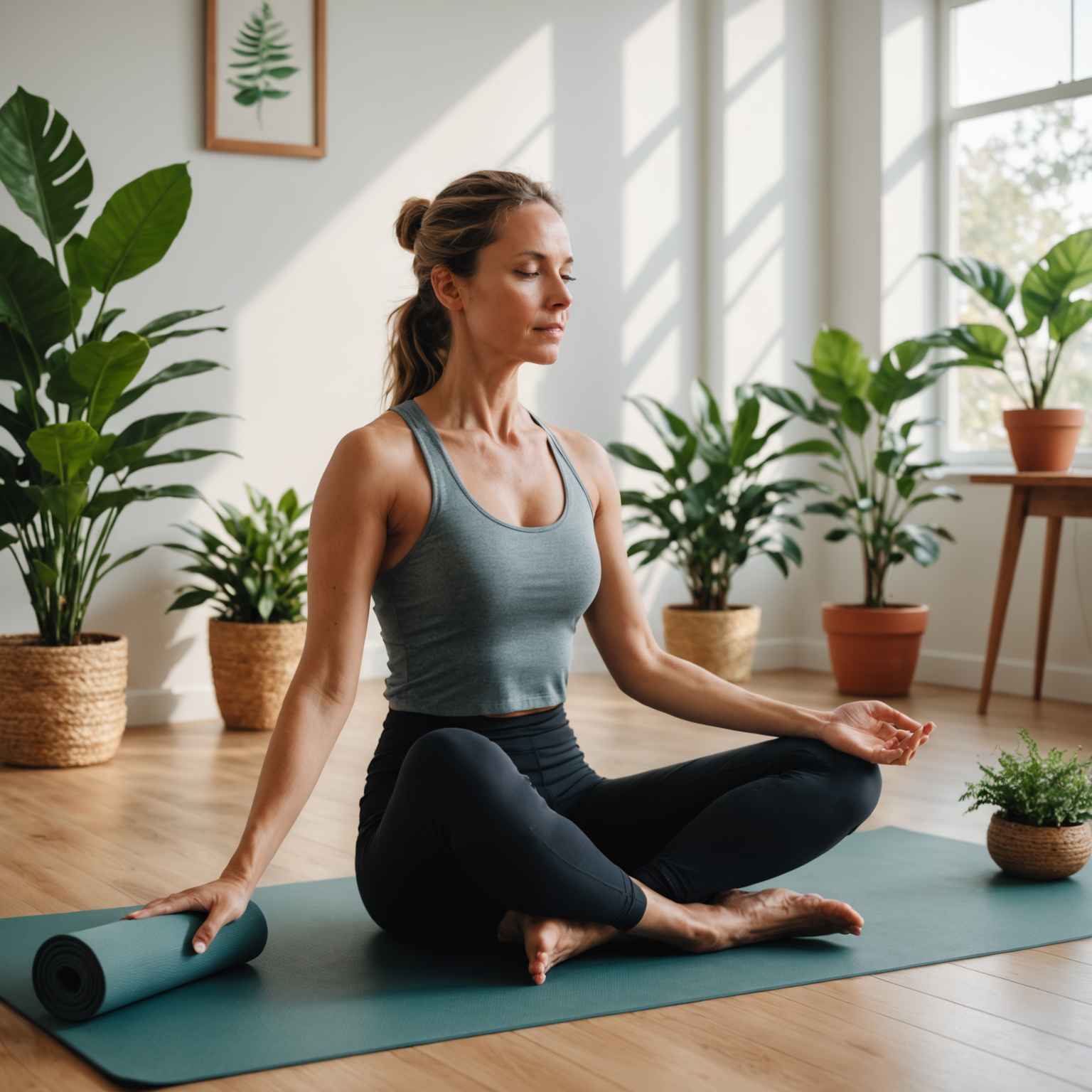
I used to think rest days were for quitters. There, I said it. For years, I wore my seven-day workout streak like a badge of honor, convinced that taking a day off would somehow erase all my progress. If I wasn't sore, sweating, or pushing through fatigue, was I even trying? Spoiler alert: I was trying way too hard, and my body was desperately trying to tell me something I refused to hear.
The turning point came on a random Tuesday morning when I couldn't lift my arms above my head to wash my hair. Not because I'd crushed an epic shoulder workout the day before, but because my body had simply had enough. My joints ached, my energy was nonexistent, and for the first time in my fitness journey, I felt genuinely burned out. That's when I realized that my "dedication" had become my biggest obstacle.
The Myth of "No Days Off"
Let's talk about the elephant in the gym: the toxic hustle culture that's infiltrated fitness spaces. Scroll through social media and you'll see it everywhere—motivational quotes about grinding every single day, before-and-after photos celebrating relentless training, and fitness influencers preaching that rest is just another word for lazy. But here's what nobody tells you: your muscles don't grow during your workout; they grow during rest.
When you exercise, especially during strength training or high-intensity workouts, you're actually creating tiny tears in your muscle fibers. It sounds scary, but it's completely normal and necessary. The magic happens afterward, when your body repairs these micro-tears during rest, making the muscles stronger and more resilient. Without adequate recovery time, you're essentially asking your body to build a house while simultaneously tearing down the foundation.

I learned this the hard way. My constant training without proper rest led to a plateau that lasted months. I was working harder than ever but seeing zero results. My performance in workouts declined, my mood tanked, and I was constantly fighting off minor injuries. The irony? The moment I started incorporating intentional rest days, everything changed. My lifts got heavier, my runs got faster, and I actually started enjoying my workouts again.
Understanding Your Body's Signals
One of the most valuable skills I've developed on my fitness journey is learning to distinguish between "I don't feel like working out" and "my body genuinely needs rest." They're not the same thing, and confusing them can lead to either overtraining or unnecessary guilt. Here's what I've learned about reading my body's signals:
Signs You Need a Rest Day
- Persistent muscle soreness: If you're still sore from a workout 48-72 hours later, your body is telling you it needs more recovery time. This is different from the normal post-workout soreness that peaks around 24-48 hours.
- Decreased performance: When weights that usually feel manageable suddenly feel impossibly heavy, or your running pace drops significantly without explanation, it's a red flag. Your body is running on empty.
- Mood changes: Increased irritability, anxiety, or feeling emotionally fragile can be signs of overtraining. Exercise should boost your mood, not drain it.
- Sleep disruptions: Paradoxically, overtraining can make it harder to fall asleep or stay asleep. If you're exhausted but can't sleep well, your nervous system might be overstimulated.
- Elevated resting heart rate: If your morning heart rate is 10+ beats higher than normal, your body is under stress and needs recovery.
- Frequent illness: Constantly catching colds or feeling run down? Overtraining suppresses your immune system, making you more susceptible to illness.
"Learning to listen to my body wasn't about being weak—it was about being wise. Rest days aren't earned; they're essential. They're not a reward for working hard; they're a requirement for working smart."
On the flip side, there's also the mental resistance that has nothing to do with physical need. Sometimes I wake up and just don't feel like working out because I'm cozy in bed or I'd rather binge-watch my favorite show. That's different from genuine fatigue. In those cases, I've learned that starting with just five minutes of movement usually gets me going. If after five minutes I still feel terrible, I honor that and rest. But often, that initial resistance melts away once I get moving.
Active Recovery vs. Complete Rest: What's the Difference?
Here's where things get interesting: not all rest days are created equal. I used to think a rest day meant lying on the couch all day (which, don't get me wrong, has its place), but I've discovered the powerful middle ground of active recovery. Understanding the difference between these two types of rest has been game-changing for my fitness routine and overall well-being.

Complete Rest Days
These are exactly what they sound like—days when you give your body permission to do absolutely nothing strenuous. Complete rest days are crucial when you're dealing with illness, injury, extreme fatigue, or after particularly intense training periods. This is when your body does its deepest repair work. I typically schedule one complete rest day per week, usually on Sundays, and I protect it fiercely.
On complete rest days, I focus on activities that support recovery without adding physical stress: getting extra sleep, practicing meditation, doing gentle stretching if it feels good, taking a leisurely walk (emphasis on leisurely—no power walking or trying to hit step goals), or simply enjoying activities I love that don't involve exercise. Reading, cooking a nourishing meal, spending quality time with loved ones, or indulging in a long bath with Epsom salts are all fair game.
Active Recovery Days
Active recovery involves low-intensity movement that promotes blood flow and helps flush out metabolic waste products from your muscles without adding significant stress. Think of it as giving your body a gentle massage from the inside out. These days are perfect when you're not completely exhausted but could use a break from intense training.
My Favorite Active Recovery Activities
- Gentle yoga or stretching: Focus on flexibility and mobility rather than challenging poses. Restorative yoga classes are perfect for this.
- Easy swimming: The water's buoyancy takes pressure off your joints while providing gentle resistance. I love leisurely laps or just floating around.
- Casual cycling: A flat, easy bike ride at a conversational pace gets blood flowing without taxing your system.
- Walking in nature: There's something healing about moving your body outdoors without any performance pressure. I aim for 30-45 minutes at a comfortable pace.
- Foam rolling and mobility work: Spending 20-30 minutes working on tight spots and improving range of motion feels amazing and supports recovery.
The key with active recovery is keeping your heart rate low—you should be able to hold a conversation easily throughout the entire activity. If you're breathing hard or feeling challenged, you've crossed into workout territory rather than recovery.
The Mental Game: Overcoming Rest Day Guilt
Let's get real about the psychological challenge of rest days. Even after understanding the science and experiencing the benefits firsthand, I still sometimes struggle with guilt when I take a day off. That voice in my head whispers things like "You're being lazy" or "You'll lose all your progress" or "Everyone else is working harder than you." Sound familiar?

Here's what I've learned about managing rest day guilt: it's usually rooted in fear—fear of losing progress, fear of being judged, fear of not being "enough." But here's the truth bomb that changed everything for me: rest is not the opposite of productivity; it's a crucial component of it. You wouldn't expect your phone to run 24/7 without charging, so why do we expect that of our bodies?
I've developed some strategies that help me reframe rest days in my mind. First, I stopped calling them "rest days" and started calling them "growth days" because that's literally what they are—days when my muscles grow stronger, my nervous system recovers, and my body adapts to training. The language shift might seem small, but it's powerful.
Second, I started tracking my rest days with the same enthusiasm I track my workouts. I have a fitness journal where I note not just my training sessions but also my recovery days, how I felt, what recovery activities I did, and any improvements I noticed afterward. Seeing the correlation between adequate rest and better performance is incredibly motivating.
Practical Strategies for Embracing Rest
If you're someone who struggles with taking rest days (hi, fellow type-A personalities), here are some practical strategies that have helped me make peace with recovery:
- Schedule rest days in advance: Don't wait until you're completely burned out. Plan your rest days as intentionally as you plan your workouts. I typically do two days of lower body, two days of upper body, one full-body session, one active recovery day, and one complete rest day each week.
- Create rest day rituals: Make your rest days something to look forward to. Maybe it's a special breakfast, a favorite TV show, a long bath, or time with friends. Give yourself positive associations with rest.
- Educate yourself: The more I learned about exercise physiology and recovery science, the easier it became to honor rest days. Knowledge is power, and understanding what's happening in your body during recovery makes it easier to prioritize.
- Find a rest day buddy: Having a friend who also values recovery can help normalize rest days. We text each other on our rest days with updates about our recovery activities and cheer each other on.
- Redefine productivity: Rest is productive. Recovery is productive. Taking care of your body is productive. Repeat this until you believe it.
The Relationship Between Rest and Progress
Here's something that blew my mind when I finally understood it: rest days don't slow down your progress—they accelerate it. I know it seems counterintuitive, but stick with me here. When you train consistently without adequate recovery, you enter a state called "overreaching," which can quickly spiral into overtraining syndrome. Your performance plateaus or even declines, your risk of injury skyrockets, and your motivation tanks.
But when you incorporate strategic rest into your training program, something magical happens. Your body has time to adapt to the stress you've placed on it, making you stronger, faster, and more resilient. Your energy levels improve, your workouts become more effective, and you actually enjoy training again. It's not about working harder; it's about working smarter.

I started seeing real progress when I shifted from a seven-day training schedule to a five-day schedule with two dedicated recovery days. Within a month, I added 10 pounds to my squat, shaved 30 seconds off my mile time, and felt more energized than I had in years. The difference wasn't in training more—it was in recovering better.
How to Structure Your Week for Optimal Recovery
Everyone's ideal training-to-rest ratio is different, depending on factors like training intensity, experience level, age, stress levels, and individual recovery capacity. However, here's a general framework that works well for many women:
- Beginners (0-6 months of consistent training): 3-4 training days, 3-4 rest/active recovery days. Your body is still adapting to exercise stress, so err on the side of more recovery.
- Intermediate (6 months-2 years): 4-5 training days, 2-3 rest/active recovery days. You can handle more training volume, but recovery remains crucial.
- Advanced (2+ years): 5-6 training days, 1-2 rest/active recovery days. Even experienced athletes need recovery, though they may need less complete rest.
Remember, these are guidelines, not rules. Your body is the ultimate authority. Some weeks you might need more rest; other weeks you might feel great with less. The key is staying flexible and responsive to your body's signals.
Rest Days and Nutrition: Fueling Recovery
One mistake I made early on was thinking that rest days meant I should eat less. Wrong! Your body is working hard during recovery, and it needs adequate nutrition to repair and rebuild. In fact, the 24-48 hours after a workout are when your body is most primed to use nutrients for muscle repair and growth.
On rest days, I focus on eating plenty of protein to support muscle repair (aim for 0.8-1 gram per pound of body weight), complex carbohydrates to replenish glycogen stores, and healthy fats to support hormone production and reduce inflammation. I also make sure to stay well-hydrated, as water plays a crucial role in every recovery process in your body.
"Your rest day plate should look similar to your training day plate. Your body doesn't stop needing nutrients just because you're not in the gym. If anything, it needs them more to facilitate all that repair work happening behind the scenes."
When Rest Isn't Enough: Recognizing Overtraining
Sometimes, despite our best intentions with rest days, we can still end up overtrained. This happened to me about a year into my fitness journey, and it was a wake-up call I needed. Overtraining syndrome is more than just being tired—it's a state where your body can't recover adequately between training sessions, leading to declining performance and a host of other symptoms.

Beyond the physical signs I mentioned earlier, overtraining can manifest as loss of appetite, increased susceptibility to injuries, hormonal imbalances (including irregular periods), decreased motivation, and even depression. If you're experiencing multiple symptoms, it's time to take a step back and potentially take a full week or more off from intense training.
When I recognized I was overtrained, I took a full 10 days off from structured exercise. It was terrifying at first, but it was exactly what my body needed. I focused on gentle movement, sleep, nutrition, and stress management. When I returned to training, I felt like a new person—energized, motivated, and stronger than before my break.
My Current Rest Day Routine
These days, my rest days look very different from my old "lie on the couch feeling guilty" approach. I've created a routine that supports both physical recovery and mental well-being. Here's what a typical rest day looks like for me now:
Morning: I sleep in if my body wants to (no alarm unless absolutely necessary). I start with gentle stretching in bed, then make a nourishing breakfast with plenty of protein and colorful vegetables. I take my time, enjoying the meal without rushing.
Midday: I might do some light yoga or take a leisurely walk outside, focusing on how my body feels rather than any fitness goals. I spend 20-30 minutes foam rolling and working on mobility, paying special attention to any tight or sore areas.
Afternoon: This is when I do activities I enjoy that have nothing to do with fitness—reading, cooking, spending time with friends, working on hobbies. I make sure to stay hydrated and eat regular, balanced meals.
Evening: I wind down with a relaxing activity like a warm bath with Epsom salts, gentle stretching, or meditation. I prioritize getting to bed early to maximize sleep, which is when the most important recovery happens.
The Bottom Line: Rest Is Not Optional
If there's one thing I want you to take away from my journey, it's this: rest days are not a luxury or a sign of weakness—they're a non-negotiable part of any effective fitness program. The strongest, fittest, most successful athletes in the world prioritize recovery just as much as they prioritize training. They understand that progress happens in the space between workouts, not during them.
I'm not going to lie and say I never struggle with rest day guilt anymore. Old habits and thought patterns die hard. But now I have the knowledge, experience, and tools to recognize when that guilt is talking and to choose rest anyway. Because I've seen firsthand what happens when I honor my body's need for recovery: I get stronger, I perform better, I feel happier, and I actually enjoy my fitness journey instead of grinding through it.
So if you're reading this while feeling guilty about taking a rest day, or if you're pushing through fatigue because you think you "should" work out, I'm giving you permission to rest. Your body will thank you, your performance will improve, and you'll discover what I did: that sometimes doing nothing is actually doing everything.
Your Rest Day Challenge
This week, I challenge you to take at least one intentional rest day. Not a "I'm too busy" day or a "I feel guilty" day, but a planned, purposeful recovery day. Notice how your body feels, how your next workout goes, and how your overall energy levels change. Pay attention to the difference rest makes, and let that experience guide your future training decisions.
Remember: rest is not earned. It's required. It's not a reward for working hard. It's a prerequisite for working smart. Your body is not a machine that needs to run constantly—it's a living, adapting organism that needs time to grow stronger. Honor that, and watch what happens.