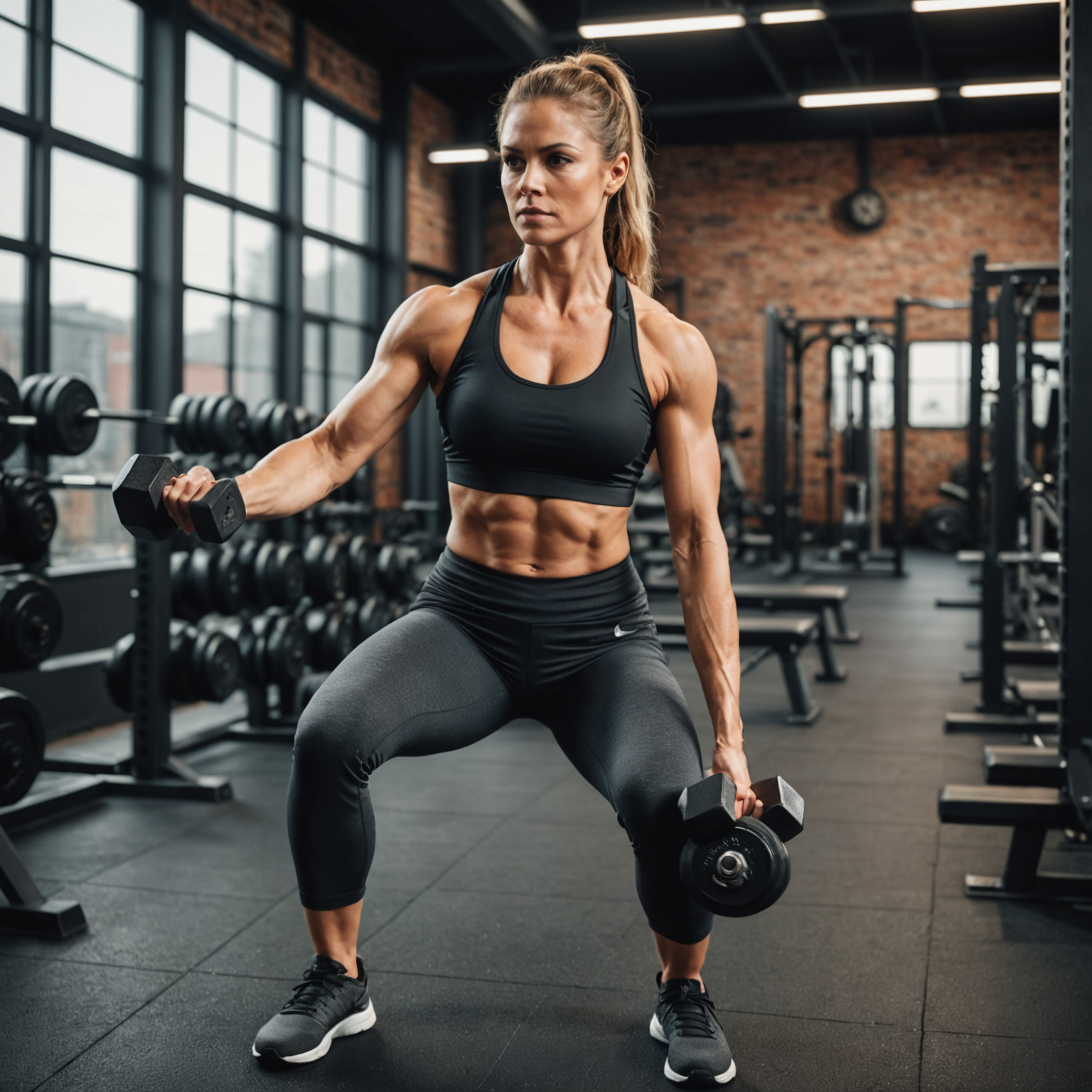
The Myth That Won't Die: "I Don't Want to Get Bulky"
Let's address the elephant in the room right away. The fear of "getting bulky" is perhaps the most persistent myth preventing women from picking up weights. Here's the truth: building significant muscle mass requires specific training protocols, precise nutrition, and often years of dedicated effort. It doesn't happen accidentally.
Women naturally have lower testosterone levels than men—approximately 15 to 20 times lower. Testosterone is the primary hormone responsible for muscle growth, which means women's bodies are physiologically designed to build lean, toned muscle rather than bulk. The muscular physiques you might see in bodybuilding competitions are the result of years of specialized training, strict dietary regimens, and sometimes performance-enhancing substances.
Myth
"Lifting weights will make me look masculine and bulky."
Truth
Strength training creates a lean, toned, and strong physique. The "toned" look many women desire is actually the result of building muscle and reducing body fat—exactly what resistance training accomplishes.
What strength training actually does is sculpt your body, creating definition and curves in all the right places. It helps you build the strong, capable physique that allows you to live life to the fullest—whether that means carrying groceries with ease, playing with your kids without fatigue, or simply feeling confident in your own skin.
The Life-Changing Benefits of Strength Training
Beyond aesthetics, strength training offers a wealth of benefits that impact every aspect of your health and daily life. Let's explore the science-backed advantages that make weightlifting an essential component of any woman's fitness routine.
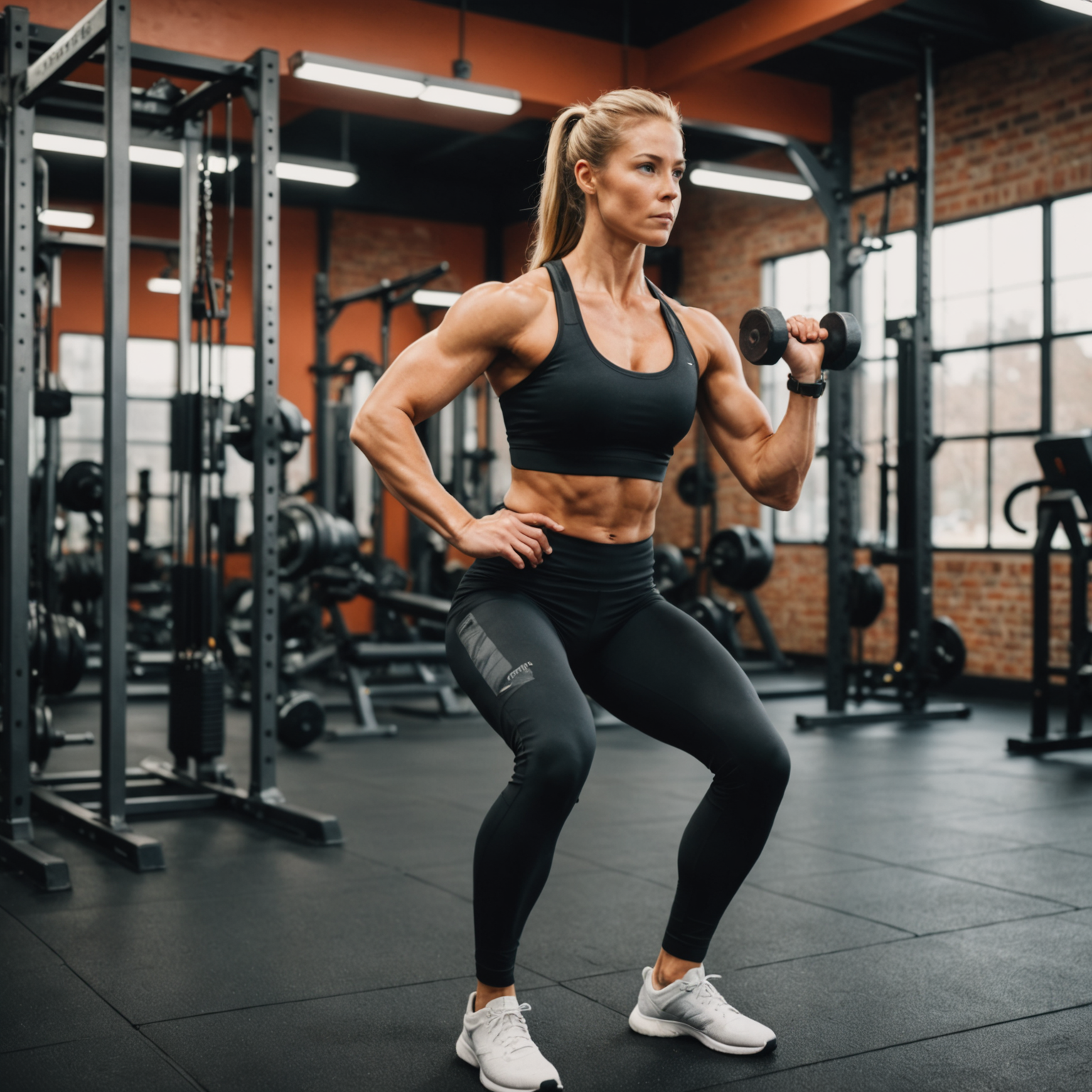
Building Unbreakable Bones
Osteoporosis affects approximately 200 million women worldwide, with one in three women over 50 experiencing osteoporotic fractures. This silent disease weakens bones, making them fragile and more likely to break. The good news? Strength training is one of the most effective ways to build and maintain bone density.
When you lift weights, you create stress on your bones. This stress signals your body to deposit more minerals into your bones, making them denser and stronger. Research published in the Journal of Bone and Mineral Research found that women who engaged in regular resistance training showed significant increases in bone mineral density, particularly in areas most vulnerable to osteoporosis like the spine and hips.
This benefit becomes increasingly important as we age. Women begin losing bone density in their 30s, with accelerated loss occurring after menopause. Starting a strength training routine early and maintaining it throughout life is like making deposits in a bone health savings account—you'll thank yourself decades later.
Stronger Bones
Increases bone mineral density and reduces osteoporosis risk by up to 50% in postmenopausal women.
Boosted Metabolism
Builds lean muscle that burns calories 24/7, increasing resting metabolic rate by 7-8% on average.
Enhanced Mental Health
Reduces symptoms of anxiety and depression while improving cognitive function and self-esteem.
Better Heart Health
Lowers blood pressure, improves cholesterol levels, and reduces cardiovascular disease risk.
Metabolic Magic: Burning Calories Around the Clock
Here's something that might surprise you: muscle tissue burns more calories at rest than fat tissue. For every pound of muscle you build, your body burns an additional 6-10 calories per day just to maintain it. While that might not sound like much, it adds up significantly over time.
But the metabolic benefits don't stop there. After a strength training session, your body continues burning calories at an elevated rate for up to 48 hours—a phenomenon known as excess post-exercise oxygen consumption (EPOC) or the "afterburn effect." This means you're torching calories long after you've left the gym.
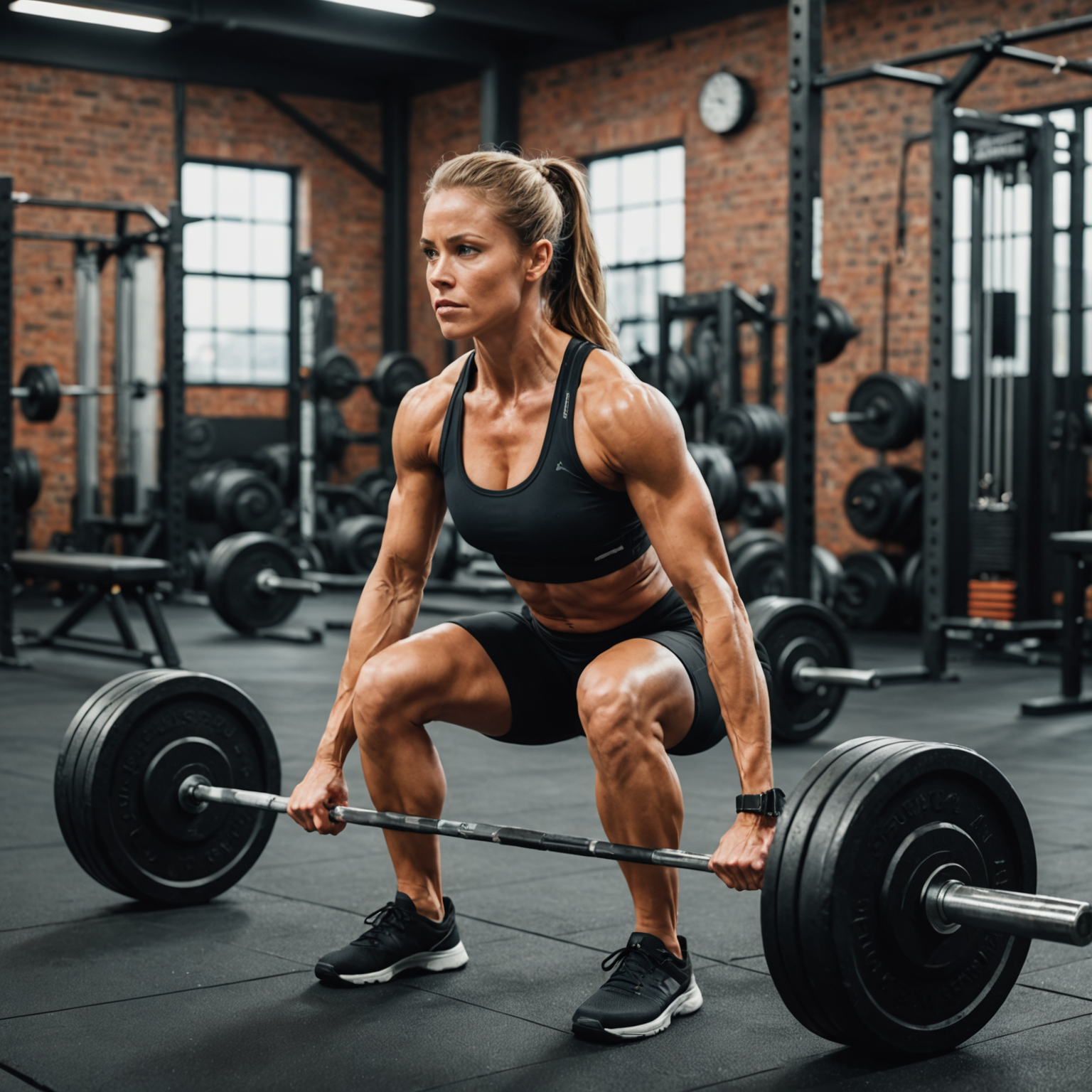
Additionally, strength training improves insulin sensitivity, helping your body better regulate blood sugar levels. This is crucial for preventing type 2 diabetes and managing weight. Studies show that regular resistance training can reduce insulin resistance by up to 40%, making it a powerful tool for metabolic health.
Mental Health and Emotional Resilience
The benefits of strength training extend far beyond the physical. Research consistently shows that resistance training has profound effects on mental health and emotional well-being. A meta-analysis published in JAMA Psychiatry found that strength training significantly reduces symptoms of depression, with effects comparable to antidepressant medications in some cases.
The mechanisms behind these mental health benefits are multifaceted. Strength training triggers the release of endorphins—your brain's natural mood elevators. It also reduces levels of stress hormones like cortisol while increasing production of brain-derived neurotrophic factor (BDNF), a protein that supports brain health and cognitive function.
"Strength training taught me that I'm capable of so much more than I thought. Every time I lift a weight I couldn't lift last month, it reminds me that growth is possible in all areas of my life. The confidence I've gained in the gym has translated to every aspect of my life—my career, my relationships, and my self-image."
Beyond the biochemical effects, there's something deeply empowering about strength training. Setting goals, tracking progress, and achieving new personal records builds self-efficacy—the belief in your ability to succeed. This confidence often spills over into other areas of life, helping women feel more capable and assertive in their personal and professional endeavors.
Functional Fitness: Training for Real Life
One of the most practical benefits of strength training is improved functional fitness—the ability to perform everyday activities with ease and reduced injury risk. Think about your daily life: carrying groceries, lifting children, moving furniture, climbing stairs, or even maintaining good posture at your desk. All of these activities require strength.
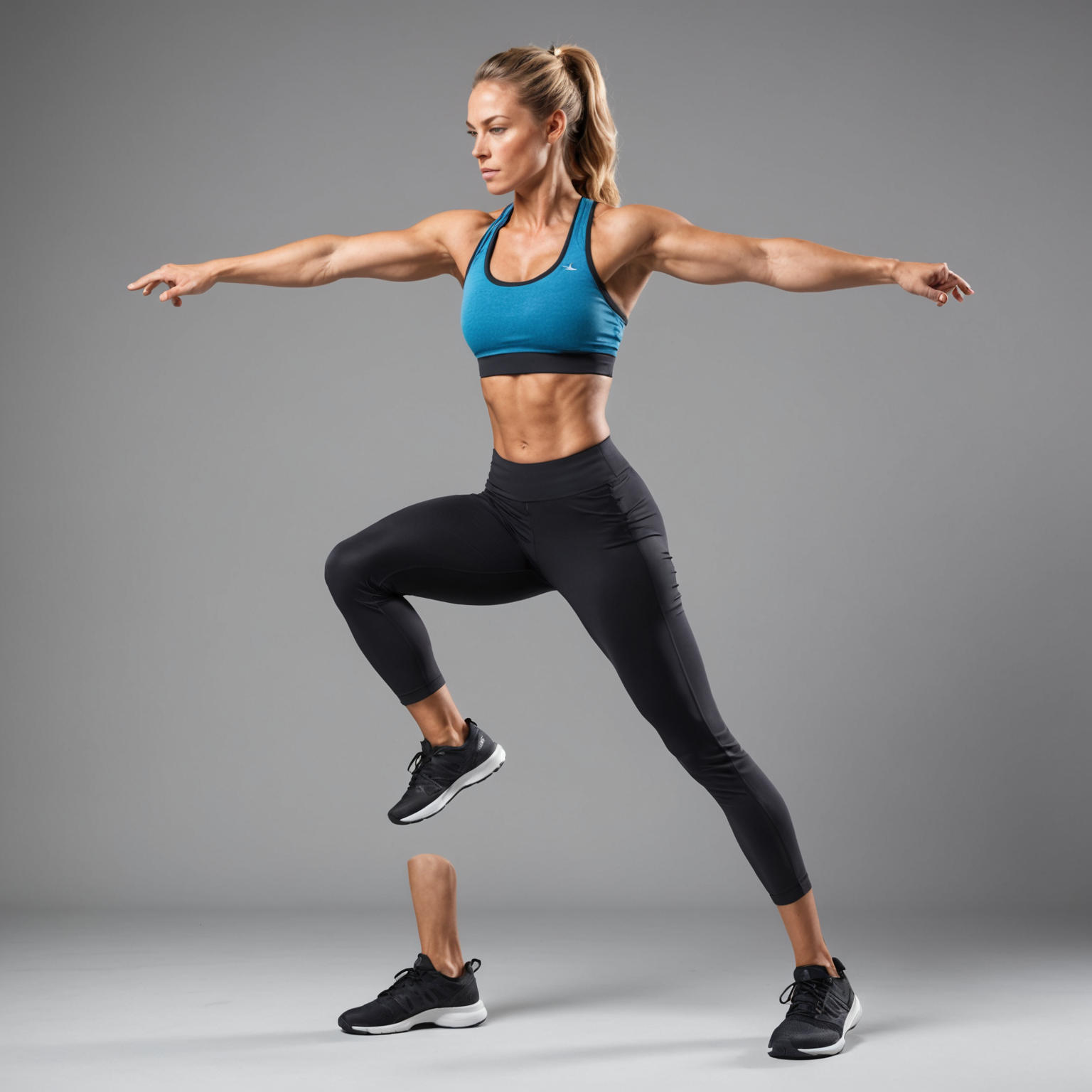
Strength training prepares your body for these real-world demands. Exercises like squats mimic the motion of sitting and standing. Deadlifts teach you how to safely lift objects from the ground. Overhead presses strengthen the muscles you use when reaching for items on high shelves. By training these movement patterns with proper form, you're essentially rehearsing for life's physical challenges.
This functional approach to fitness becomes increasingly important as we age. Maintaining strength and mobility is crucial for independence in later years. Studies show that older adults who engage in regular strength training have better balance, reduced fall risk, and greater ability to perform activities of daily living independently.
Injury Prevention and Joint Health
Contrary to the myth that weightlifting damages joints, proper strength training actually protects and strengthens them. When you build muscle around your joints, you create a natural support system that reduces stress on ligaments and tendons. This is particularly important for women, who are more prone to certain injuries like ACL tears due to anatomical and hormonal factors.
Strength training also improves connective tissue health. Tendons and ligaments adapt to the stress of resistance training by becoming stronger and more resilient. This adaptation helps prevent common overuse injuries and provides better joint stability during both exercise and daily activities.
Getting Started: Beginner-Friendly Strength Training Principles
If you're new to strength training, the prospect of starting can feel overwhelming. Where do you begin? What exercises should you do? How much weight should you lift? Let's break down the essential principles that will set you up for success.
-
Start with bodyweight exercises: Master movements like squats, lunges, push-ups, and planks before adding external resistance. These foundational exercises teach proper form and build baseline strength.
-
Focus on compound movements: Exercises that work multiple muscle groups simultaneously (like squats, deadlifts, and rows) give you the most bang for your buck and better mimic real-life movements.
-
Prioritize form over weight: Perfect technique is more important than lifting heavy. Poor form not only reduces effectiveness but also increases injury risk. Consider working with a qualified trainer initially.
-
Progress gradually: Increase weight, reps, or sets slowly over time. A good rule of thumb is the 10% rule—don't increase any training variable by more than 10% per week.
-
Allow adequate recovery: Muscles grow during rest, not during workouts. Aim for at least 48 hours between training the same muscle groups. Quality sleep and proper nutrition are crucial for recovery.
-
Be consistent: Aim for 2-3 strength training sessions per week. Consistency trumps intensity—regular, moderate training beats sporadic intense workouts every time.
Understanding Progressive Overload
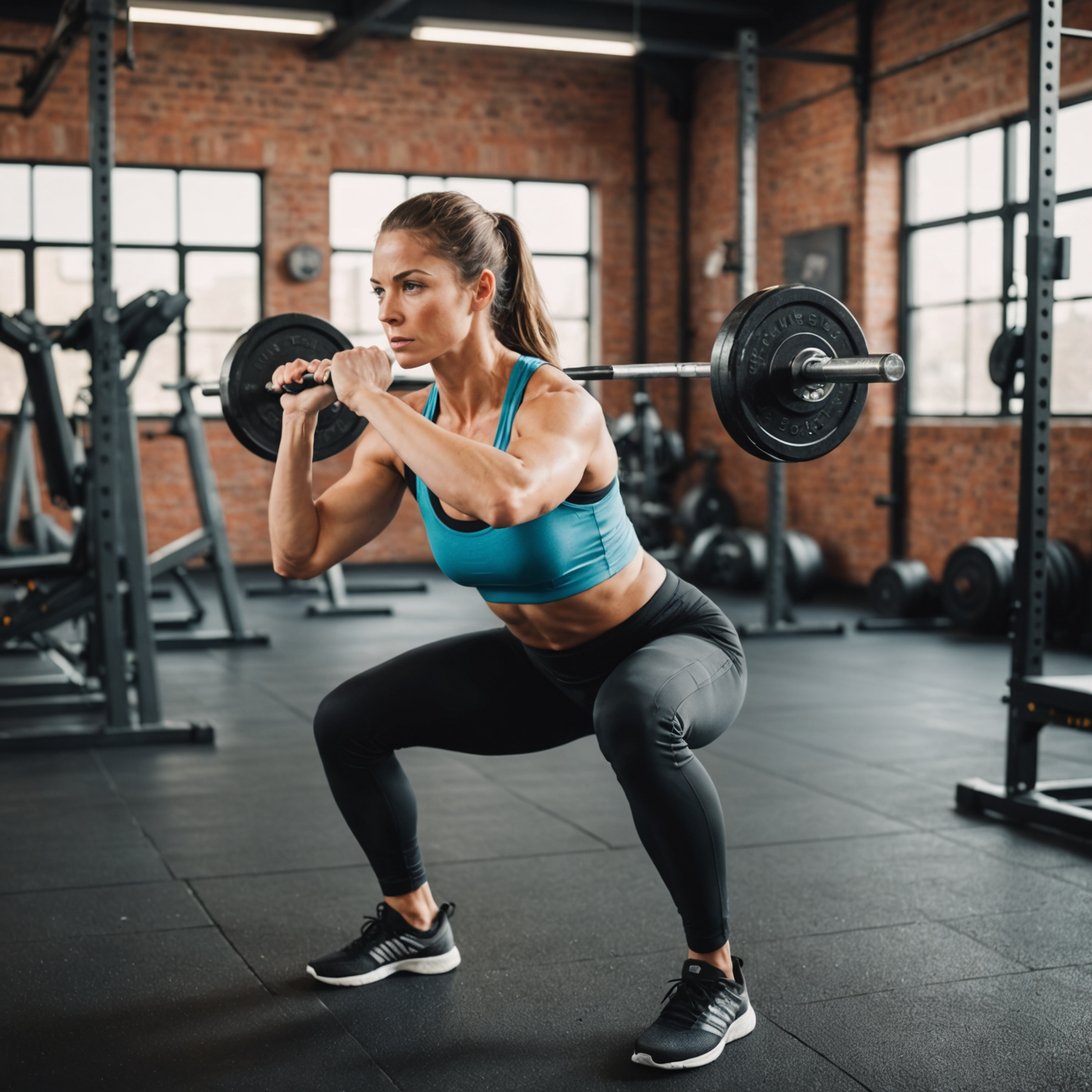
The principle of progressive overload is the foundation of strength training success. Simply put, to continue making progress, you need to gradually increase the demands placed on your muscles. This doesn't always mean adding more weight—you can also increase reps, sets, training frequency, or decrease rest periods.
Here's a practical example: If you start by doing 3 sets of 8 squats with bodyweight, you might progress by adding a rep each week until you reach 12 reps. Then, you could add light dumbbells and drop back to 8 reps, beginning the cycle again. This systematic approach ensures continuous improvement while minimizing injury risk.
Nutrition: Fueling Your Strength
You can't out-train a poor diet, and this is especially true for strength training. Your muscles need adequate protein to repair and grow stronger. Aim for approximately 0.7-1 gram of protein per pound of body weight daily, distributed across your meals.
Don't fear carbohydrates—they're your body's preferred fuel source for intense exercise. Complex carbs like whole grains, sweet potatoes, and oats provide sustained energy for your workouts. Healthy fats from sources like avocados, nuts, and olive oil support hormone production and overall health.
Hydration is equally crucial. Dehydration can significantly impair strength and performance. Aim to drink water consistently throughout the day, not just during workouts. A good rule of thumb is to drink half your body weight in ounces of water daily.
Addressing Common Concerns and Questions
What If I'm Over 40, 50, or 60?
It's never too late to start strength training. In fact, the benefits become even more critical as we age. Research shows that adults in their 60s, 70s, and even 80s can build significant muscle mass and strength through resistance training. The key is starting appropriately for your current fitness level and progressing gradually.
Older adults should pay particular attention to balance exercises and may benefit from working with a trainer who specializes in senior fitness. The goal isn't to become a powerlifter—it's to maintain independence, prevent falls, and enjoy an active lifestyle for years to come.
Myth
"Cardio is better for weight loss than strength training."
Truth
While cardio burns more calories during the activity, strength training builds muscle that increases your metabolic rate 24/7. The most effective approach combines both cardio and strength training for optimal health and body composition.
Can I Strength Train During Pregnancy?
With your doctor's approval, strength training can be safe and beneficial during pregnancy. It can help manage weight gain, reduce back pain, improve posture, and may even lead to easier labor and faster postpartum recovery. However, modifications are necessary, and certain exercises should be avoided, especially in the second and third trimesters.
Always consult with your healthcare provider before starting or continuing any exercise program during pregnancy. Working with a prenatal fitness specialist can help ensure you're training safely and effectively.
Creating Your Strength Training Journey
The most important step is simply starting. You don't need a fancy gym membership or expensive equipment to begin. Many effective strength training exercises can be done at home with minimal equipment—a set of dumbbells, resistance bands, or even just your bodyweight.
Set realistic, specific goals. Instead of vague aspirations like "get stronger," aim for concrete targets: "perform 10 push-ups with proper form" or "squat with a 20-pound dumbbell." These measurable goals provide motivation and clear markers of progress.
Track your workouts. Whether you use a fitness app, a simple notebook, or a spreadsheet, recording your exercises, weights, and reps helps you see progress over time and ensures you're applying progressive overload appropriately.
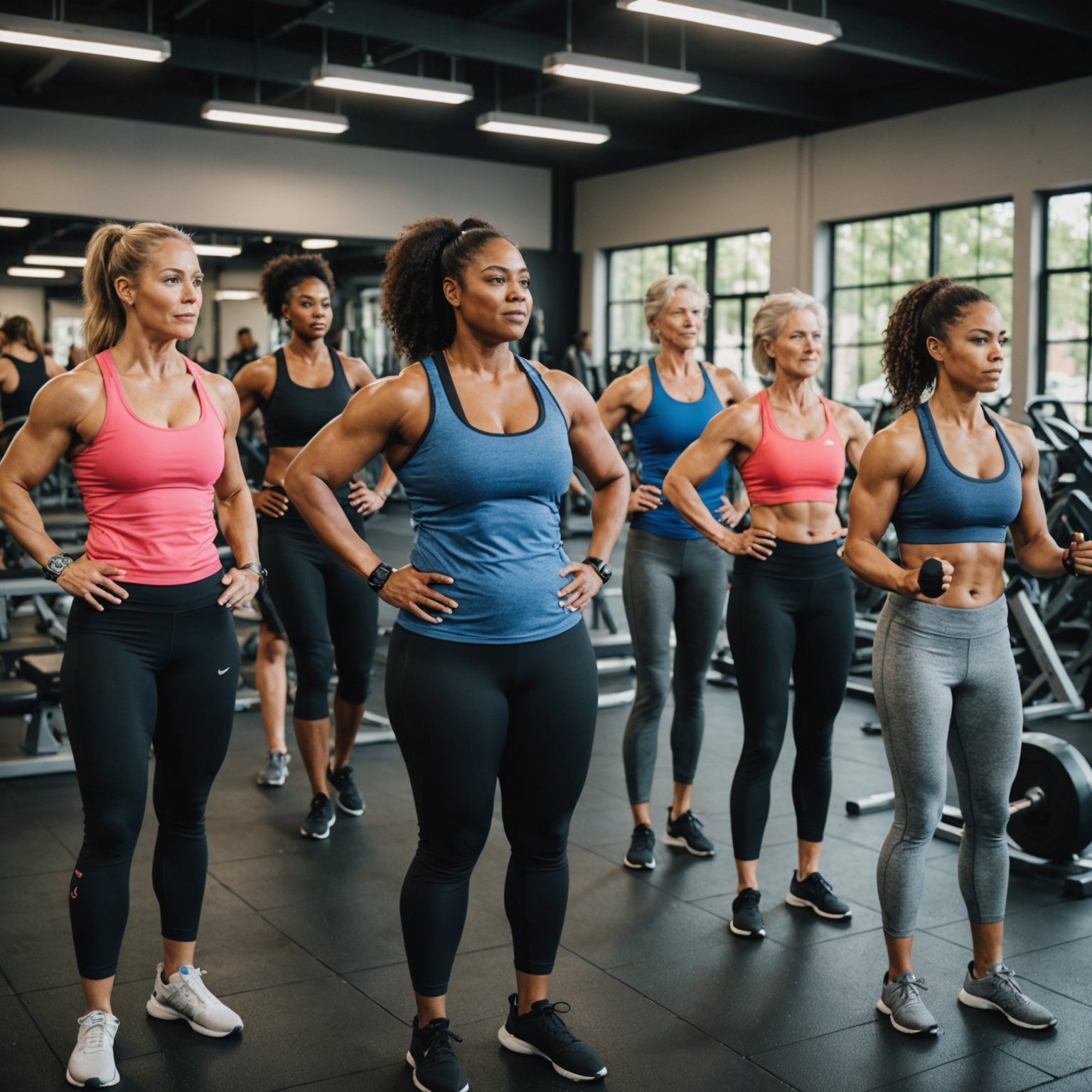
Find a community or workout partner. The support and accountability of training with others can be invaluable, especially when motivation wanes. Many gyms offer women-only training sessions or beginner-friendly classes that provide a welcoming environment for newcomers.
The Transformation Beyond the Physical
While we've discussed the numerous physical benefits of strength training, perhaps the most profound changes occur in how you see yourself and what you believe you're capable of achieving. Strength training is a practice in self-efficacy—each workout is an opportunity to prove to yourself that you can do hard things.
Women who embrace strength training often report feeling more confident, assertive, and empowered in all areas of their lives. There's something transformative about realizing your body is strong and capable, not just an object to be judged by appearance standards. This shift in perspective can be life-changing.
The journey of strength training teaches patience, discipline, and resilience. Progress isn't always linear—there will be plateaus, setbacks, and challenges. But learning to push through these obstacles builds mental toughness that serves you well beyond the gym walls.
As you grow stronger physically, you'll likely notice increased energy levels, better sleep quality, improved mood, and enhanced overall quality of life. These benefits compound over time, creating a positive feedback loop that makes maintaining your strength training practice easier and more rewarding.
Your Invitation to Strength
The myths surrounding women and weightlifting have held too many of us back for too long. The truth is clear: strength training is not only safe for women—it's essential for optimal health, longevity, and quality of life. Whether you're 25 or 65, a complete beginner or returning after a break, there's a place for you in the world of strength training.
You won't accidentally get bulky. You won't become less feminine. What you will become is stronger, healthier, more confident, and more capable of living life on your terms. You'll build bones that can withstand the test of time, a metabolism that works efficiently, and a body that serves you well in all of life's adventures.
The weights are waiting. Your stronger, healthier future self is waiting. All that's left is for you to take that first step. Start small, stay consistent, and trust the process. Your transformation—physical, mental, and emotional—begins the moment you decide you're worth the investment.
Remember: you're not training to be someone else. You're training to be the strongest, healthiest, most empowered version of yourself. And that journey starts today.